
Vertical Transport Injury Counsel
Modern commercial atrium with glass elevators and escalators

Serving clients nationwide

Elevator & Escalator Accident Lawyers

Injured in an Elevator or Escalator Accident? Understand Your Legal Options.

Equipment failures, inadequate maintenance, unsafe property conditions, and other circumstances can contribute to serious injuries.

  • Nationwide

Get Your Free Case Evaluation

What type of equipment was involved?

Equipment

Where did it happen?

Property type

Who owns or maintains it? (if known)
What happened?

What best describes it?

What best describes it?

What best describes it?

Injuries and treatment

Which best describes the injury?

Is the person still hospitalized? (optional)

Documentation

Was an incident report made? (optional)

Do you know of any inspection report? (optional)

Do you have photos or video? (optional)

Were there witnesses? (optional)

When and where?
How can we reach you?

Privacy PolicyTerms of Use

Understanding your claim

What is an elevator or escalator accident claim?

Most elevator and escalator riders never think twice about stepping on board. Because this equipment is mechanically complex and heavily regulated, the people and companies who own, operate, and maintain it are generally expected to keep it in reasonably safe working condition.

When an incident happens, the cause is not always obvious. A sudden drop, a door that closes unexpectedly, or a step that catches a shoe may trace back to worn components, a missed inspection, a design issue, or a property condition that was never addressed. An elevator or escalator accident claim is a legal process for examining what went wrong and whether another party may be legally responsible for the resulting injuries.

These cases often involve inspection histories, maintenance contracts, service logs, and building codes that vary by state and city. Understanding how those pieces fit together is the first step in understanding your options.

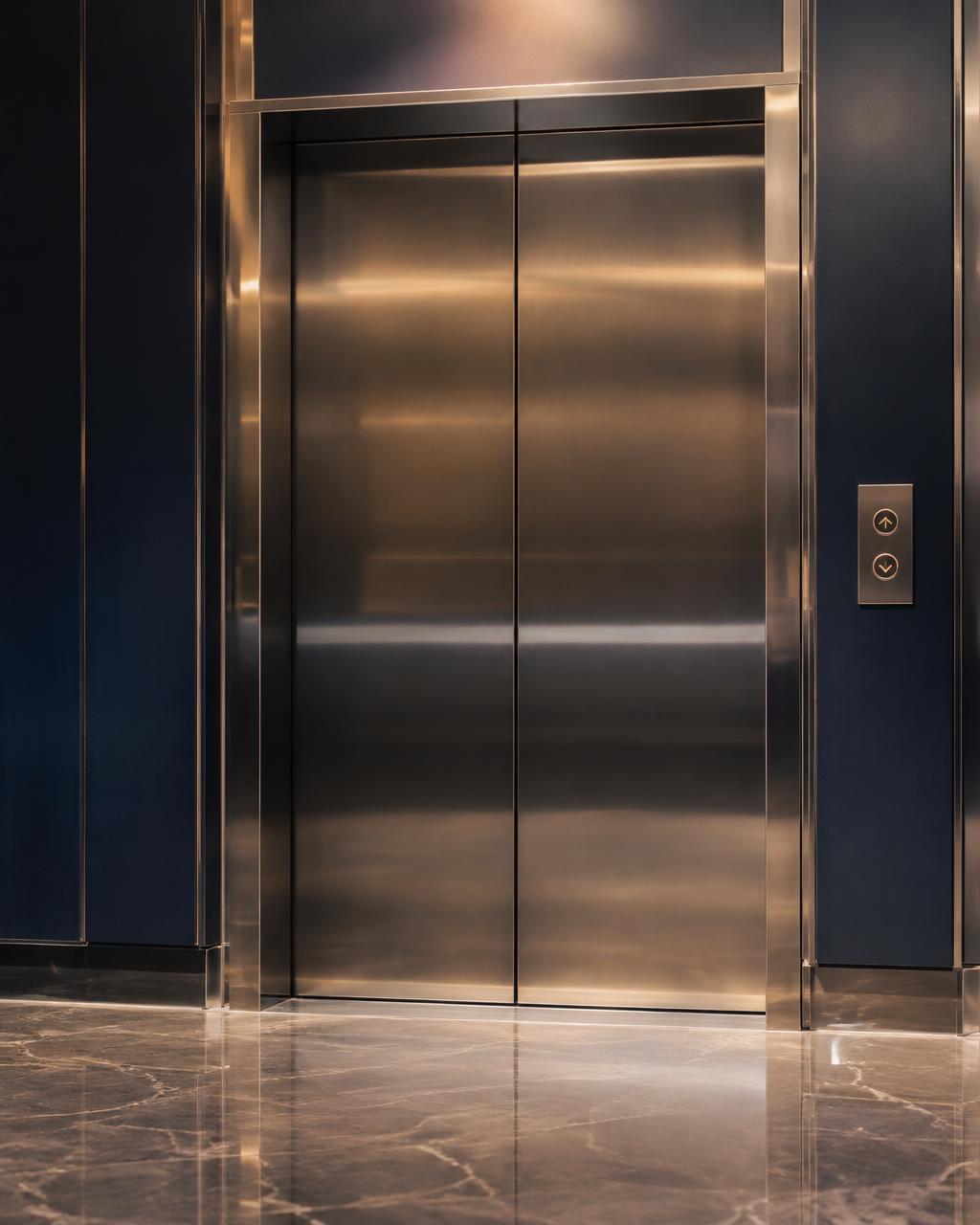
Brushed steel elevator doors in a commercial lobby
Inspection and maintenance records are often central to understanding what went wrong.

Learn about common causes, who may be responsible, and what to do after an accident.

An elevator or escalator injury claim is a legal claim that someone who owned, ran, maintained, made or sold the equipment failed in a legal duty and that the failure caused an injury. Most claims rest on premises liability, product liability or both. The law of the state where the accident happened decides the deadlines, fault rules and damages.

This guide is for people hurt in an elevator or escalator accident and for families after a death. That may have been a fall on an escalator, a car that dropped, a door that closed on you, hours trapped in a stalled car, or a step you missed because the floor did not line up. Most people facing this are dealing with pain, medical bills and missed work while still unsure what actually happened, who was in charge of the equipment and whether any of it is a legal matter at all. The sections below walk through how these claims are built, from the equipment and the building to the companies behind it, the injury and the state whose law applies.

What Kind of Claim an Elevator or Escalator Injury Can Be

Two legal theories carry most of these cases. Premises liability is the legal duty an owner or operator of property owes to the people who come onto it, including the duty to keep equipment like elevators and escalators reasonably safe. Product liability is the legal responsibility of a manufacturer, seller or other business in the distribution chain for a defective product that causes injury.

A third idea sometimes appears. A common carrier is a business that holds itself out to transport members of the public. Some courts treat elevator and escalator operators as common carriers and hold them to a heightened duty of care. Others do not, and the answer depends on the state.

These accidents happen wherever people move between floors: hotels, malls, apartment buildings, offices, airports and hospitals. The building type often affects who owns, runs and services the equipment. There is usually no single national rule; state law governs limitation periods, fault rules and damages, and those rules differ from state to state. Which theory fits an accident is often one of the first things a conversation with an attorney helps sort out.
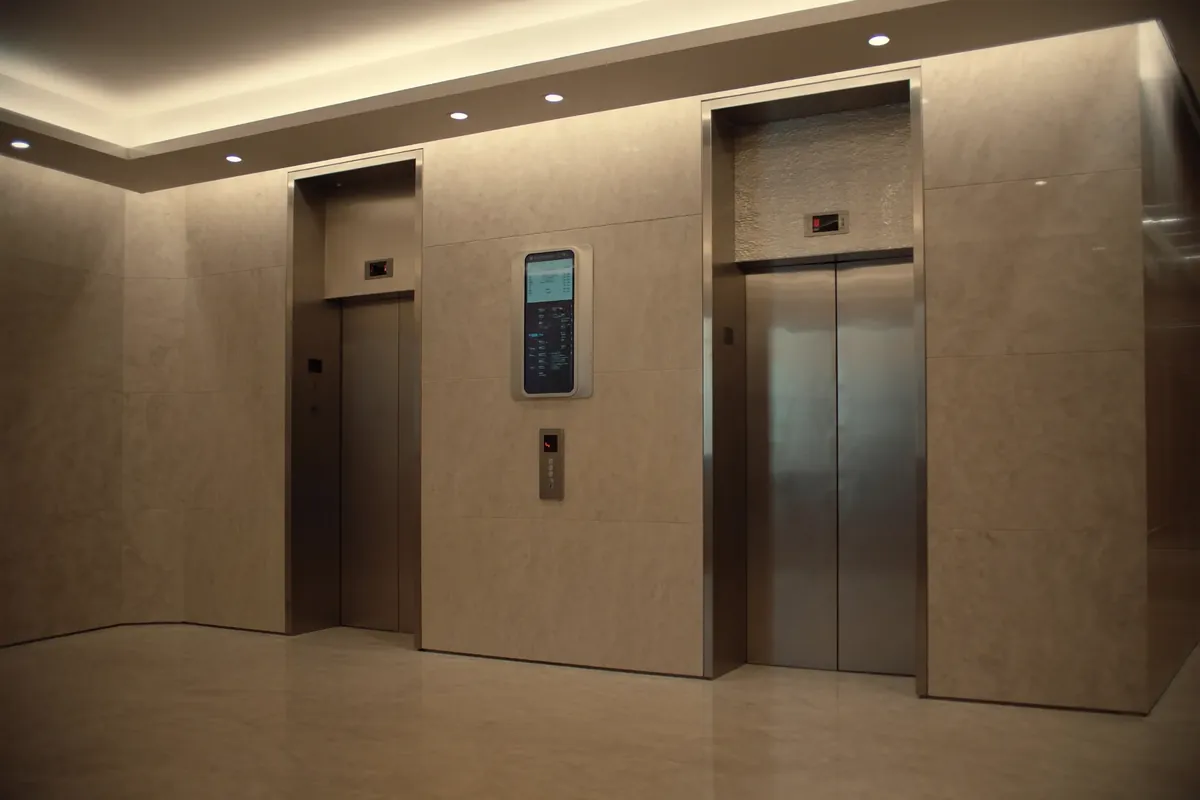
Two closed stainless steel elevator doors in a quiet office building lobby.

How Your Accident Happened, and Why It Points Toward a Responsible Party

The way an accident happened is often the first clue to whose duty is at issue.

Elevator mechanisms

A sudden drop is an unexpected fall or lurch of the elevator car, which can throw riders off their feet. Misleveling happens when an elevator car stops with its floor out of level with the landing, leaving a step up or a step down that a rider may not see. Door injuries happen when doors close on a person or reopen and close unpredictably. Entrapment happens when a person is trapped inside a stopped or stalled elevator car. Harm can come from the stop itself, from the time spent trapped, or from an attempt to get out.

Escalator mechanisms

Escalator falls can follow a sudden stop, a change in speed, a broken or missing step, or a handrail that moves at a different pace from the steps. Caught-in injuries happen when clothing, footwear or a body part is caught in the comb plate at the top or bottom, in the side panels, or in the gaps between steps.

Why the mechanism matters

Some failures raise questions about the owner's or operator's maintenance. Others raise questions about the manufacturer's design or manufacturing. Some raise both. Still, a mechanism alone does not establish fault. The law asks whether a duty existed, whether it was breached and whether that breach caused the injury, and the answers depend on the facts of each case.

Who May Be Responsible — and Why More Than One Party Can Be

The parties who may be involved, by type, include:

  • the building owner, whose duty comes from ownership and control of the property;
  • the building operator or property manager, who may run the building day to day;
  • the elevator or escalator manufacturer, whose duty concerns design and manufacture;
  • a component manufacturer, which made a part such as a door sensor, brake or step;
  • the maintenance contractor, whose duty concerns servicing and inspection under its agreement;
  • a seller or installer, where one supplied or put in the equipment.

More than one party can share responsibility because ownership, operation, maintenance and manufacture are often split. A hotel or office tower may own the elevators, hire a manager to run the building and contract with a separate company to service the equipment. Where a court treats the operator as a common carrier, that can raise the standard of care the operator owes.

For an injured person, this means a claim may not stop at the building owner. Maintenance and inspection records are often central to identifying the right parties, because they can show who serviced the equipment and when. A record shows what was done or noted; whether anyone fell short is a separate question. Sorting out which parties held which roles is often part of an early conversation with an attorney.

An empty escalator rising through a modern atrium under a skylight.

What Your Side Has to Prove — and Why Each Element Points to Different Facts

If the claim is built on premises liability and negligence, your side usually has to show four things:

  • Duty: the business owed you a legal obligation of care, which connects to who controlled the equipment.
  • Breach: it failed to meet that obligation, for example in how the equipment was kept up, which connects to maintenance history and known problems.
  • Causation: the breach was a cause of your injury, not merely that an accident occurred, which connects to the medical picture and how the failure happened.
  • Damages: you suffered real losses as a result.

If the equipment itself is the problem, a product liability claim generally has to show a defect and causation. That defect can take three forms. It may be a design defect, meaning the flaw is in how the product was planned, so every unit has it. It may be a manufacturing defect, meaning the particular unit you rode was made in a way that departs from the design. Or it may be a failure to warn, meaning there were no adequate warnings or instructions about a risk that was not obvious.

The Records That Can Show What Happened to You

If you were hurt, the evidence that usually matters includes:

  • maintenance and inspection records, which speak to whether the equipment was serviced, whether a known condition existed and who had responsibility;
  • incident or accident reports made by the property or operator;
  • surveillance or security video and witness names and accounts, which speak to how the accident happened;
  • the physical condition of the equipment at the time of the accident, which speaks to whether a defect or a maintenance problem was present;
  • medical records, which connect the accident to the injury and treatment.

The Injuries and Losses a Claim May Address

If you or a family member were hurt, the injury may look like many others seen in these claims: fractures, head and traumatic brain injuries, spinal cord injuries, crush injuries, lacerations, soft-tissue injuries, or psychological harm such as lasting fear after an entrapment. A separate page explains elevator accident brain injury in more depth.

Some accidents are fatal. A wrongful-death claim is a distinct kind of claim brought after a death, and state law decides who may bring it and what it may include.

The law may recognize several categories of loss, including medical expenses past and future, lost income, reduced earning capacity, and pain and suffering. Where a death occurs, wrongful-death damages may apply. Damages rules differ by state, including which categories are available, whether caps apply and how the injured person's share of fault affects a recovery. What the law may allow in any case depends on its facts and on the law of the state that applies.

Why the State Where the Accident Happened Shapes the Claim

State law sets the rules that often matter most:

  • the limitation period;
  • whether the state uses a comparative or contributory fault standard;
  • damages rules, including caps and available categories;
  • wrongful-death rules, including who may bring the claim.

A limitation period is the deadline set by state law within which a lawsuit must be filed. Limitation periods vary by state, and the clock starts at different points under different states' rules. Some states have separate notice rules for claims against public entities. Missing the applicable deadline can bar a claim entirely.

The site's state pages set out each state's own statutes. Examples include Delaware elevator accident law, New Jersey elevator accident law and North Carolina elevator accident law. No one state's rule is the rule everywhere.

Sources

This overview describes general legal principles that apply to elevator and escalator injury claims. The statute text for individual states, with links to each state's official sources, appears on the site's state pages, including North Dakota elevator accident law.

Accident types

Elevator and escalator accidents

Although they are often grouped together, elevator and escalator incidents tend to involve different equipment, hazards, and injuries.

Elevator Accidents

Elevator Accidents

Elevator incidents can involve sudden drops, misleveled cars, doors that close on passengers, or entrapment between floors. Because elevators rely on cables, brakes, controllers, and door sensors working together, a single overlooked defect can lead to serious harm.

  • Sudden drops and abrupt stops
  • Misleveling and trip hazards
  • Door and sensor failures
  • Entrapment between floors
Discuss your elevator accident
Escalator Accidents

Escalator Accidents

Escalator injuries can happen in an instant — a step that catches clothing or footwear, a handrail that moves out of sync, or a sudden stop that sends riders falling.

  • Entrapment in steps or comb plates
  • Sudden stops and reversals
  • Handrail malfunctions
  • Broken or missing steps
Discuss your escalator accident

Common causes

Common accident causes

Incidents can trace back to equipment that was not properly inspected, maintained, or repaired. These are some of the issues that can come up when reviewing a claim.

  1. Sudden Drops

    Brake, cable, or control problems can cause a car to drop or stop abruptly, jolting passengers and causing falls.

  2. Misleveling

    When a car stops above or below the landing, the resulting step can create a trip hazard that is easy to miss.

  3. Door Failures

    Faulty sensors or door operators may strike riders, fail to reopen, or open when no car is present.

  4. Entrapment

    Gaps between steps, side panels, and comb plates can catch clothing, footwear, or fingers on escalators.

  5. Mechanical Malfunctions

    Worn gears, drive chains, controllers, or handrails can fail when maintenance or repairs are delayed.

  6. Falls

    Abrupt speed changes, broken steps, or poor lighting near landings can cause riders to lose their footing.

Where accidents happen

Accidents can happen almost anywhere

Any building with vertical transportation carries some risk. The type of property can affect who owns, operates, and maintains the equipment — and which rules apply.

Hotels & Resorts

High guest turnover and around-the-clock use place constant demands on hotel elevators.

Shopping Malls

Busy escalators serve shoppers of every age, often while carrying bags or pushing strollers.

Apartment Buildings

Residents depend on elevators daily, and deferred repairs can affect an entire building.

Office Buildings

Commercial towers rely on high-traffic elevator banks that require regular inspection.

Airports & Transit

Escalators and moving walkways handle large crowds, luggage, and tight schedules.

Hospitals

Patients, visitors, and staff move equipment and wheelchairs through elevators all day.

Responsibility

Who may be responsible?

Elevators and escalators are not always the responsibility of a single party. Ownership, day-to-day operation, maintenance, and manufacturing can be handled by different companies under separate contracts.

Identifying each party — and what each was expected to do — is an important part of evaluating a claim. Contracts, inspection certificates, and service records can help show where responsibilities were divided.

Property Owners

Owners of buildings and facilities may have a duty to keep elevators and escalators reasonably safe for the people who use them.

Operators & Managers

Property management firms, retailers, hotels, and transit operators may control day-to-day operation and reporting of problems.

Maintenance Contractors

Service companies are often hired to inspect, maintain, and repair equipment. Missed or inadequate work can be an important issue.

Manufacturers

When a component is defectively designed or manufactured, the company that made or installed it may share responsibility.

Injuries & damages

Serious injuries and damages

Elevator and escalator incidents can produce injuries that range from painful to life-changing. Falls on moving stairs, sudden jolts inside a car, and entrapment in moving parts can place significant force on the body in a very short time.

Depending on the circumstances and the law of the state where the accident occurred, an injured person may be able to seek compensation for losses connected to the incident. Every case is different, and outcomes depend on the specific facts.

Common injuries

  • Traumatic brain injuries and concussions
  • Spinal cord and back injuries
  • Fractures and broken bones
  • Crush injuries and amputations
  • Lacerations and soft-tissue damage
  • Neck, shoulder, and knee injuries

Next steps

What to do after an elevator or escalator accident

The moments and days after an accident can be overwhelming. These steps can help protect your health and preserve important information.

  1. Get medical attention

    Seek care right away, even if you feel fine. Some injuries are not immediately apparent, and medical records document what happened.

  2. Report the incident

    Notify building management, security, or the property owner, and ask that a written incident report be created.

  3. Document the scene

    If you can, photograph the equipment, landing, signage, and your injuries. Write down the date, time, and location.

  4. Collect witness information

    Names and phone numbers of people who saw the incident can be valuable later.

  5. Preserve evidence

    Keep the clothing and shoes you were wearing, along with receipts, medical bills, and any correspondence.

  6. Be careful with statements

    Consider speaking with an attorney before giving recorded statements to insurers or signing documents.

Nationwide legal resources

Help wherever your accident happened

Building codes, inspection requirements, and filing deadlines differ from state to state. Our resources are organized by state so you can find information relevant to where your accident occurred.

View all 50 states

FAQ

Frequently asked questions

General information only — not legal advice for your specific situation.

Who can be held responsible for an elevator or escalator accident?

Read more on this site

How long do I have to take legal action?

Read more on this site

What if the accident happened in a government building or transit station?

Read more on this site

Can I still have a claim if I was partly at fault?

Read more on this site

What should I bring to a case evaluation?

Read more on this site

Understand your options today.

Tell us what happened.

Free Case Evaluation